
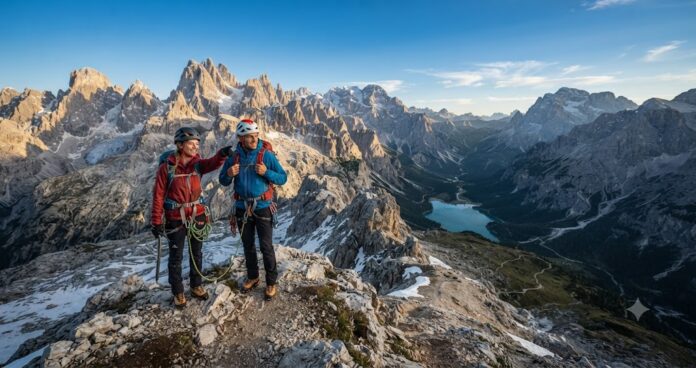
Are you craving an adrenaline-fueled escape? The best mountain destinations for adventure travelers offer a perfect blend of high-altitude thrills, from technical rock climbing and glacial trekking to world-class whitewater rafting. Whether you are a weekend warrior or an expedition pro, these peaks promise life-changing experiences.
Key Takeaways
- Diverse Terrain: Adventure requires variety, ranging from technical spires to vast alpine meadows.
- Seasonal Planning: Mountain conditions change rapidly; choosing the right season is as important as the destination itself.
- Gear Preparedness: High-altitude activities demand specialized, reliable equipment to ensure safety.
Patagonia, Argentina & Chile: The Final Frontier
Patagonia remains the gold standard for rugged adventure. It is not just a destination; it is an endurance test for those who thrive in isolation. The crown jewel is undoubtedly Los Glaciares National Park, home to the iconic Fitz Roy massif.
When trekking here, you are battling the “Roaring Forties”—winds that can shift from gentle breezes to gale-force gusts in minutes.
Pro Tip: Don’t rely on standard base layers. Bring high-denier windproof shells. In Patagonia, your shell is your primary survival tool against the relentless wind chill.
| Activity | Difficulty | Best Season |
| Glacier Trekking | Moderate | Nov – March |
| Technical Climbing | Extreme | Dec – Feb |
| Mountain Biking | Advanced | Jan – March |
The Dolomites, Italy: Via Ferrata Heaven
If you want the scale of the Alps but with a specialized adrenaline twist, the Dolomites are unmatched. The region is famous for its Via Ferrata—iron paths fixed to vertical rock faces.
These routes allow even intermediate climbers to tackle exposure that would otherwise require professional mountaineering skills. By clipping into the steel cables, you can traverse ledges and reach summits that offer panoramic views of the jagged, limestone peaks.
[Internal Link: Essential Gear Guide for High-Altitude Trekking]
Zermatt, Switzerland: The Peak of Alpine Tradition
Zermatt offers the quintessential mountain experience under the gaze of the Matterhorn. For the adventure traveler, it is a hub for high-intensity summer activities.
If you are looking for vertical gain, the ascent to the Breithorn is a high-altitude hike that reaches over 4,000 meters. It is one of the most accessible “4000ers” in the Alps, yet it requires proper glacier navigation equipment and training.
Queenstown, New Zealand: The Adventure Capital
While many mountains are about the climb, Queenstown is about the descent. Located in the Southern Alps, this town is the birthplace of commercial bungee jumping and a global hub for extreme mountain biking.
The Remarkables mountain range offers terrain that is both visually stunning and physically punishing. For mountain bikers, the Skyline Gondola provides rapid access to world-class downhill trails that test your technical handling and speed control.
Banff National Park, Canada: Raw Wilderness
Banff is where you go when you want to combine backcountry exploration with genuine wildlife encounters. The Canadian Rockies are less “civilized” than their European counterparts, meaning the sense of true wilderness is palpable.
- Icefields Parkway: One of the most scenic high-altitude drives globally, providing access to endless glaciers.
- Backcountry Camping: Requires permits and strict adherence to “Leave No Trace” principles due to grizzly bear habitats.
Expert Insight: In the Canadian Rockies, the main bottleneck is permit availability. Always book your backcountry access exactly when windows open; otherwise, you will be relegated to front-country campgrounds.
Comparing Your Mountain Adventure Goals
Choosing the right destination often comes down to your primary physical objective. Use this breakdown to align your skill set with the terrain.
| Destination | Best For | Physical Demands |
| Patagonia | Endurance/Trekking | Very High |
| Dolomites | Technical Exposure | Moderate/High |
| Zermatt | Glacier/High Altitude | High |
| Queenstown | Gravity Sports | Moderate |
| Banff | Wilderness Exploration | High |
Frequently Asked Questions
1. What is the most important piece of gear for mountain travel?
Footwear is paramount. Ensure you have high-traction, broken-in boots with ankle support, as mountain terrain is notoriously uneven and demanding.
2. How do I mitigate the risk of altitude sickness?
The “climb high, sleep low” strategy is effective. Hydration is also critical; dehydration exacerbates symptoms significantly. Consult a doctor before embarking on trips above 3,000 meters.
3. Do I need professional guides for these destinations?
For technical activities like glacier trekking or advanced climbing, professional guides are highly recommended to ensure safety and provide local navigation expertise.
4. What is the best time of year for mountain adventures?
This varies by hemisphere. Generally, summer months (June–August in the North, December–February in the South) offer the most stable weather windows for high-altitude peaks.
5. How should I prepare my fitness for these trips?
Focus on functional strength and cardiovascular endurance. Exercises like weighted step-ups, lunges, and incline treadmill training are excellent for simulating mountain approaches.
Start Your Adventure Planning Today
The mountains are calling, but they require respect and preparation. Whether you choose the rugged trails of Patagonia or the high-speed thrills of Queenstown, the experience will redefine your limits. Which mountain range will you conquer next? Start researching your route today and ensure your gear is ready for the climb of a lifetime!