
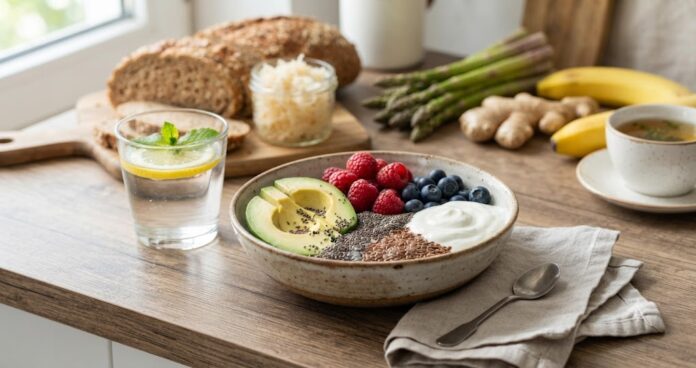
Improving your digestive health naturally involves a combination of fiber-rich nutrition, consistent hydration, mindful eating habits, and lifestyle modifications that support gut microbiome diversity. By focusing on whole foods, regular physical activity, and stress management, you can effectively enhance your gut function and overall well-being.
Key Takeaways
- Fiber is Essential: Prioritize soluble and insoluble fiber to keep your system moving.
- Hydration Matters: Water is the primary facilitator of digestion.
- Microbiome Diversity: Fermented foods provide the probiotics necessary for a healthy gut.
- Stress Connection: The “gut-brain axis” means your stress levels directly impact your digestion.
- Mindful Habits: How you eat is just as important as what you eat.
The Foundation of Digestive Wellness: Understanding Your Gut
Your digestive system is an intricate, highly sensitive network that manages everything from nutrient absorption to immune defense. When this system is balanced, you likely experience consistent energy and physical comfort. When it is out of balance, you may experience bloating, irregularity, or fatigue.
Optimizing this system isn’t about expensive supplements; it’s about returning to fundamental biological principles.
The Role of Fiber: Your Digestive Engine
Fiber acts as the broom of the digestive tract. It adds bulk to your stool and keeps things moving smoothly. There are two primary types you need:
- Soluble Fiber: Found in oats, nuts, and beans. It absorbs water to create a gel-like substance that softens stool.
- Insoluble Fiber: Found in whole grains, seeds, and the skins of fruits/vegetables. This adds bulk and helps move waste through the intestines faster.
| Fiber Source | Type | Benefit |
| Chia Seeds | Soluble | High water absorption |
| Broccoli | Insoluble | Promotes regularity |
| Lentils | Both | Sustained energy |
| Raspberries | Insoluble | High volume/low calorie |
Pro Tip: If you currently have a low-fiber diet, increase your intake slowly over two weeks to avoid gas and cramping. Always pair fiber with increased water intake.
Nutrition Strategies for a Thriving Microbiome
Your gut microbiome is a massive colony of bacteria that aids in breaking down complex carbohydrates. To keep these bacteria happy, you must provide them with the right “fuel” (prebiotics) and “allies” (probiotics).
The Prebiotic vs. Probiotic Balance
- Prebiotics: These are the fibers that feed your good bacteria. Think garlic, onions, bananas, and asparagus.
- Probiotics: These are live, beneficial bacteria. They are best found in fermented foods like kimchi, sauerkraut, kefir, and plain yogurt.
Hydration: The Silent Facilitator
Digestion is a chemical process that requires significant water. Enzymes used to break down food cannot function optimally in a dehydrated state. Aim for consistency throughout the day rather than “chugging” water all at once.
Custom Framework: The “Mindful Digestion” Protocol
Many people focus exclusively on what they eat, but how they eat is a common bottleneck for digestive success. Use this framework to optimize your mealtime:
- The Mechanical Step: Chewing. Digestion begins in the mouth with salivary enzymes. Aim for at least 20–30 chews per bite. If you aren’t doing this, you are forcing your stomach to do manual labor it wasn’t designed for.
- The Parasympathetic Switch: Your body cannot digest food efficiently if you are in a “fight or flight” (stress) mode. Before you eat, take three deep, slow breaths. This triggers the parasympathetic nervous system, which is responsible for “rest and digest.”
- The Post-Meal Movement: Do not lie down immediately after a heavy meal. A 10-minute light walk helps stimulate gastric emptying and prevents reflux.
Identifying and Troubleshooting Bottlenecks
Even with a clean diet, you may hit walls. Here is how to troubleshoot common issues:
- Bloating: Often caused by eating too quickly or swallowing air. Try eating smaller, more frequent meals to reduce the workload on your stomach.
- Irregularity: If fiber isn’t helping, look at your magnesium intake. Magnesium helps relax the muscles in the intestinal wall, which can aid in bowel movements. [External Link: Trusted Health Authority on Magnesium]
- Sensitivity: Keep a “Food & Mood” journal. For one week, track what you eat and how you feel 30–60 minutes after. This is the fastest way to identify personal trigger foods.
Frequently Asked Questions
1. Does coffee help or hurt digestion?
Coffee can stimulate a bowel movement, but it is also acidic and can trigger reflux for some. If you struggle with heartburn, try switching to a darker roast, which is often less acidic, or drinking it with food.
2. How much water should I drink for digestion?
While the “eight glasses” rule is a good baseline, monitor your urine color. Pale straw color is the goal. Fiber requires significantly more water, so increase intake as you increase vegetable consumption.
3. Are store-bought probiotic supplements necessary?
For most people, whole food sources like sauerkraut or Greek yogurt are more effective and bioavailable. Supplements are best used temporarily or under the guidance of a professional. [Internal Link: Our Guide to Gut-Friendly Recipes]
4. Can exercise actually improve gut health?
Yes. Physical movement increases blood flow to the organs and stimulates the natural contractions of the intestines (peristalsis). Even light yoga or daily walking has a measurable impact.
5. How long does it take to see improvements?
The gut lining regenerates relatively quickly. Most people notice a significant reduction in bloating and improved regularity within 7 to 14 days of consistent dietary and lifestyle changes.
Take Action Today
Improving your digestive health is not a one-time event; it is a daily commitment to your body’s most fundamental needs. Start tomorrow by practicing the “Mindful Digestion” protocol at your first meal: slow down, chew thoroughly, and breathe before you begin. Your gut will thank you.
Ready to transform your health? Start by auditing your current fiber intake today—your long-term energy and comfort depend on it.